
Commercial polytunnels: what to consider before investing
The packing shed is there. So is the empty field. Say you grow nearby and want to supply more salad crops: commercial polytunnels could give you covered space, but does the field fit the structure? And who will run it while you’re packing orders? The extra produce will also need a buyer.
Start there. A tunnel’s advertised floor area doesn’t tell you how much space will be available for growing once you account for paths, doors and working aisles.
Will the tunnel fit your growing system?
Take your plot and mark out the proposed footprint. Then put the beds and working aisles inside it.
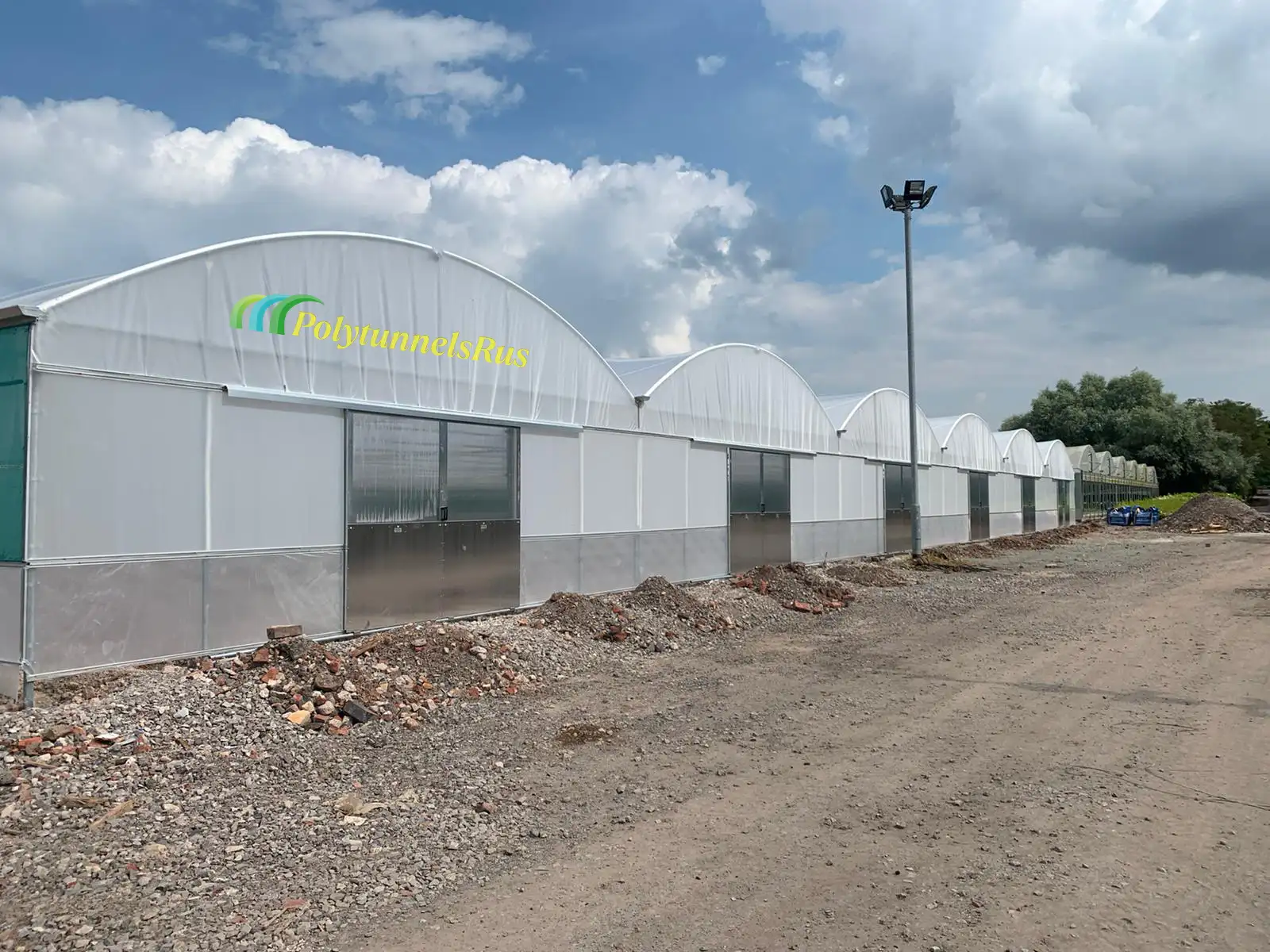
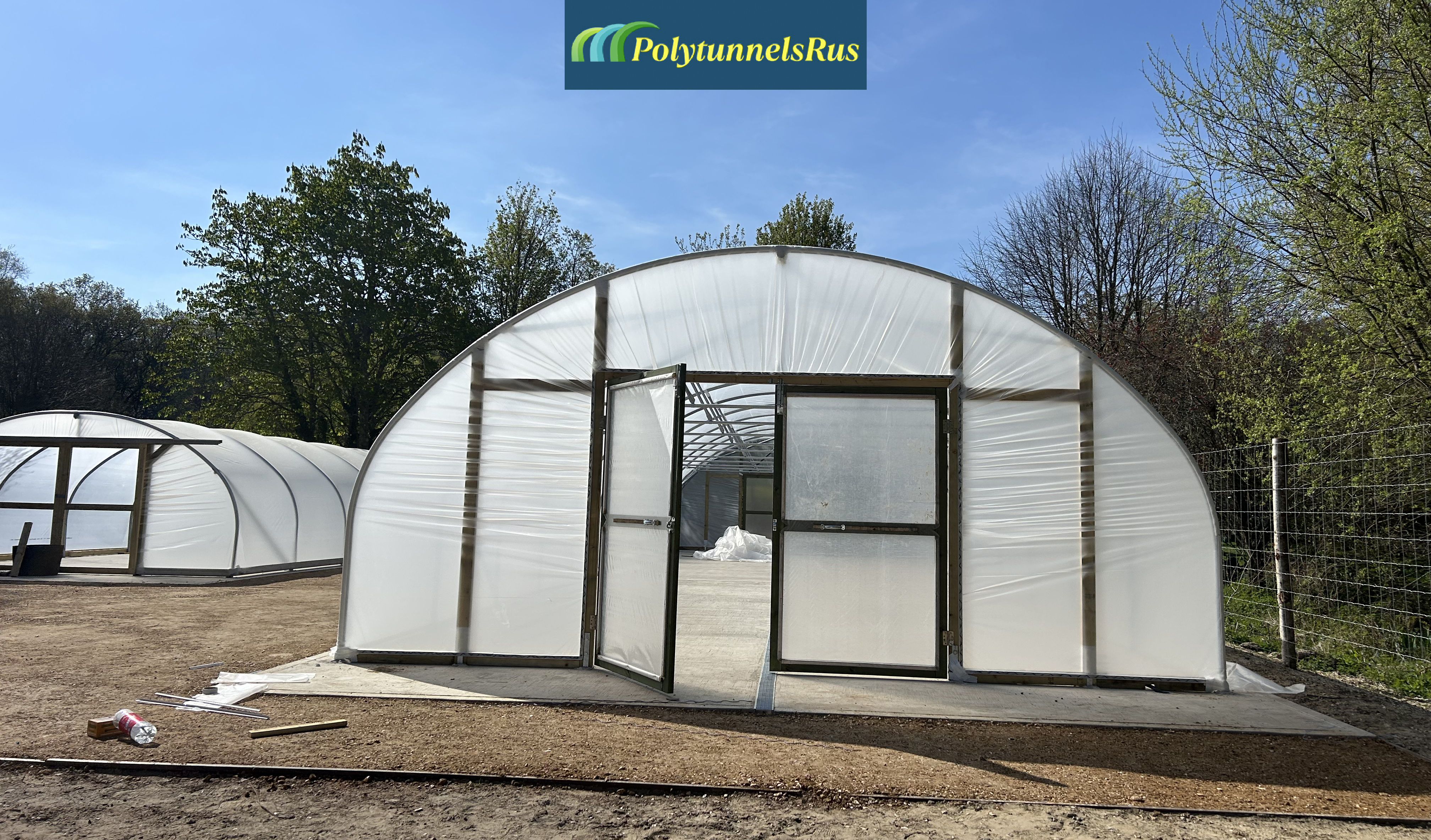
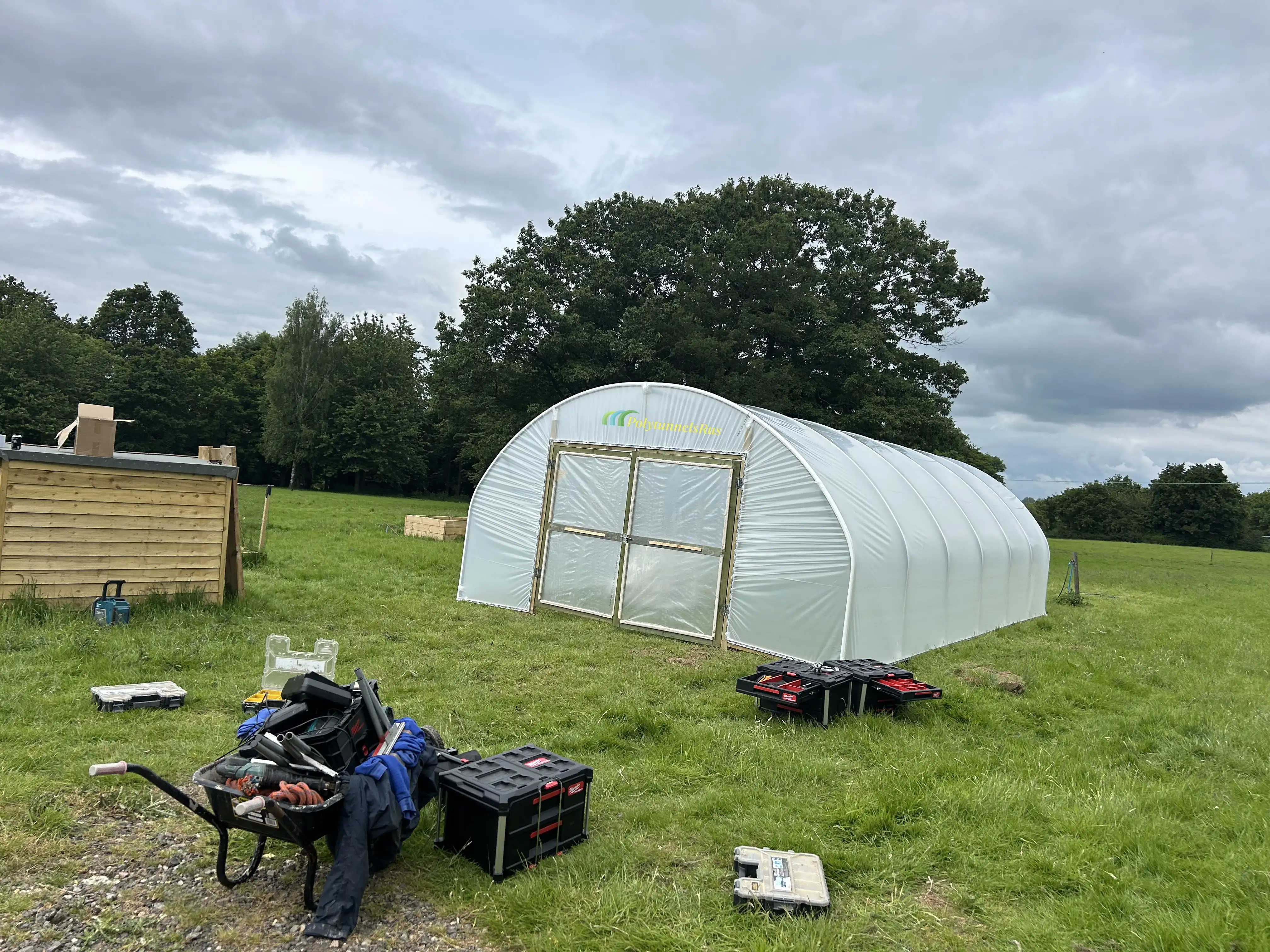
PolytunnelsRus lists commercial widths of 6m, 7m, 8m and 9m, with single-span and multi-span structures available. Width alone won’t settle the choice. Your trolley needs enough clearance to pass without damaging the crop, and tall crop supports need usable headroom where they’ll stand.
What happens at the ends? A door opening straight onto a fence leaves you struggling with every delivery of compost and materials. Leave room outside for construction, maintenance and moving equipment.
What does the site need before installation?
After rain, walk the proposed footprint. Standing water beside the packing shed is a problem to investigate before putting beds under cover. A roof keeps rain off the crop; it doesn’t stop water travelling through the ground.
There’s a tap beside the shed. Enough? Not until you’ve established whether it supplies the water your crop needs, or worked out the pipe route to the beds.
That corner looks sheltered from the shed door. The supplier still needs to assess exposure and specify anchoring and bracing. Send photographs and site details with your postcode so they can identify what needs inspecting; we can’t specify the structure from the postcode alone.
Before committing, ask your local planning authority about your proposal. Agricultural use doesn’t automatically settle planning permission, and rules differ across the UK.
Who will open and close the tunnel each day?
You’re loading the van when the morning warms up. Who checks the tunnel?
Ventilation needs to suit the crop and tunnel length, with daily operation built into somebody’s work schedule. Large doors don’t answer every ventilation problem. Ask how the proposed arrangement will move air through the growing space, including whether side ventilation is needed.
Agricultural polytunnels also change your watering workload. Rain no longer reaches the beds, so irrigation becomes your responsibility even during a wet week.
And winter? Protection from rain doesn’t guarantee frost-free conditions or consistent growth throughout the year. Your crop schedule still has to account for cold and limited daylight.
Which cover suits the crop?
For the salad plan, begin with the crop’s light requirements. PolytunnelsRus provides options which include diffused polythene, white UVI and green/white blackout. Each serves a different purpose.
Diffused film spreads incoming light. Blackout material isn’t a default vegetable-growing cover.
Ask for the cover thickness, light transmission and compatibility. Remember, a cover description alone won’t tell you when replacement will become necessary.
What will the whole investment cost?
You’ll need a detailed specification to establish the project cost. None has been verified here, so there’s no supported price range to give you.
Does the quotation cover just the frame and cover, or include installation? Get each element priced, including the specified structure, cover, delivery and assembly. Ground preparation and bringing water to the beds need figures alongside it. Labour, repairs and recovering belong in the running budget.
Comparing polytunnels for farmers means comparing the same scope. One quotation might include installation while another leaves you to arrange it.
Self-installation is an option where your skills, equipment and available labour suit the supplier’s instructions. Paid installation has its own quoted cost and reduces the assembly work falling on your staff. Neither removes the need to prepare the site.
If you already have a sound frame elsewhere on the holding, ask whether recovering it would meet the same need. Its condition needs assessing first.
Will the extra growing area earn its keep?
Your crop schedule shows planted beds; your order book needs produce you can sell. Allow for losses and empty weeks between crops, then deduct growing and selling costs, including the hours involved.
No firm demand yet? Keeping the field as it stands leaves you without the protected space, but also without its new bills and daily jobs. Buying brings both. If an existing frame is sound, recovering it may be an alternative.
Nobody can establish your return without those figures.
Take a tape measure out to the proposed beds and measure carefully, leaving space for access. Photograph the plot, then bring your crop requirements and postcode to PolytunnelsRus for a discussion and an itemised quotation.
Recent Blogs
-
 04 Jul 2026
-
 04 Jul 2026
-
 19 Jun 2026
-
 23 Oct 2026
-
 06 Aug 2025