
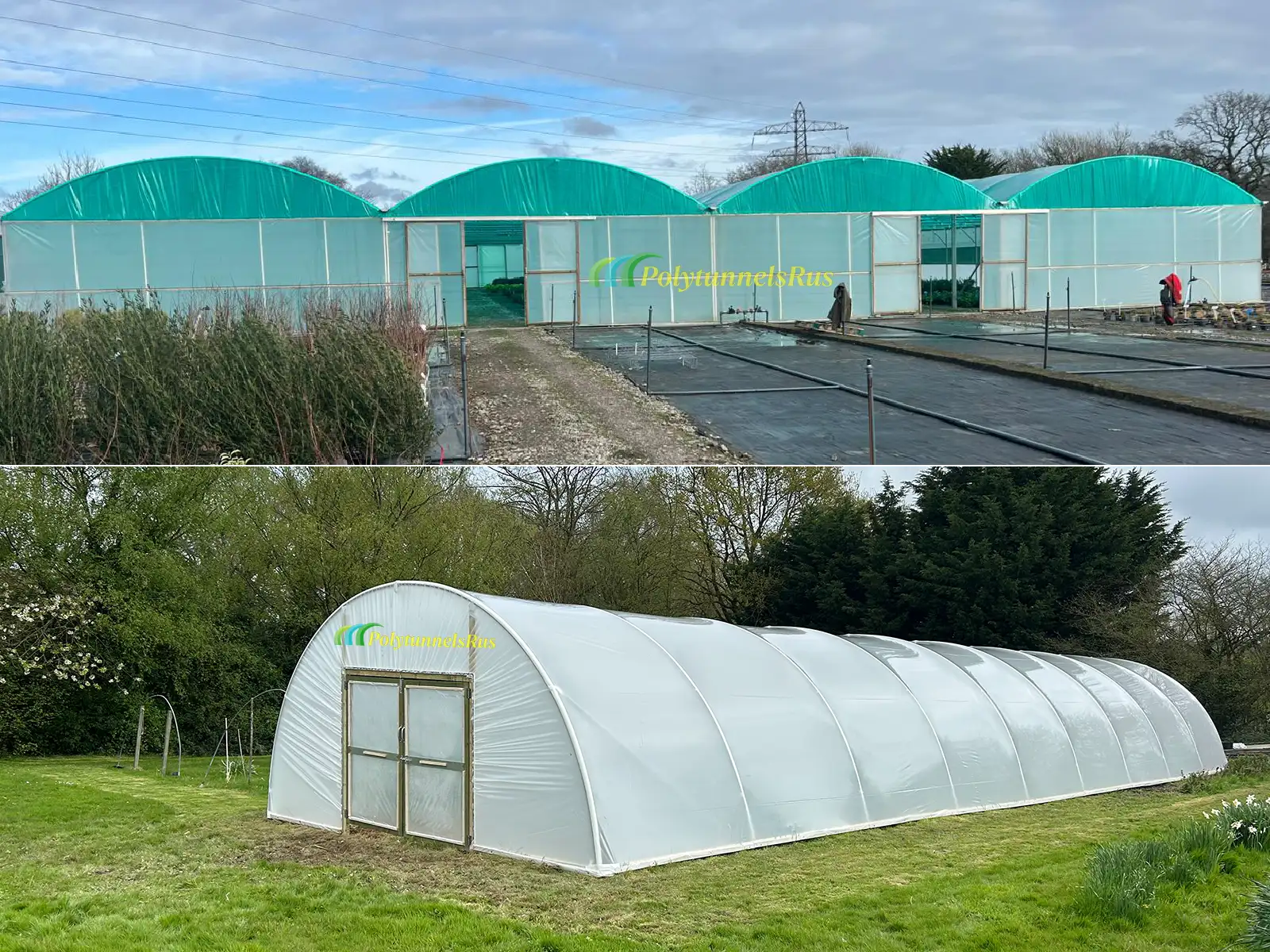
Single span or multi-span polytunnel: which should you choose?
Single-span tunnels and multi-span polytunnels solve different site problems. It depends on daily movement, equipment access, crop separation and whether the covered area should function as separate bays or a single joined workspace.
For many farms, nurseries and growing businesses, commercial polytunnels begin with a simple need: more usable cover. A single span can suit one crop line, a storage run, a lambing area, a propagation bay or a first move into protected growing. When the work becomes more commercial, a multi-span polytunnel may make better sense.
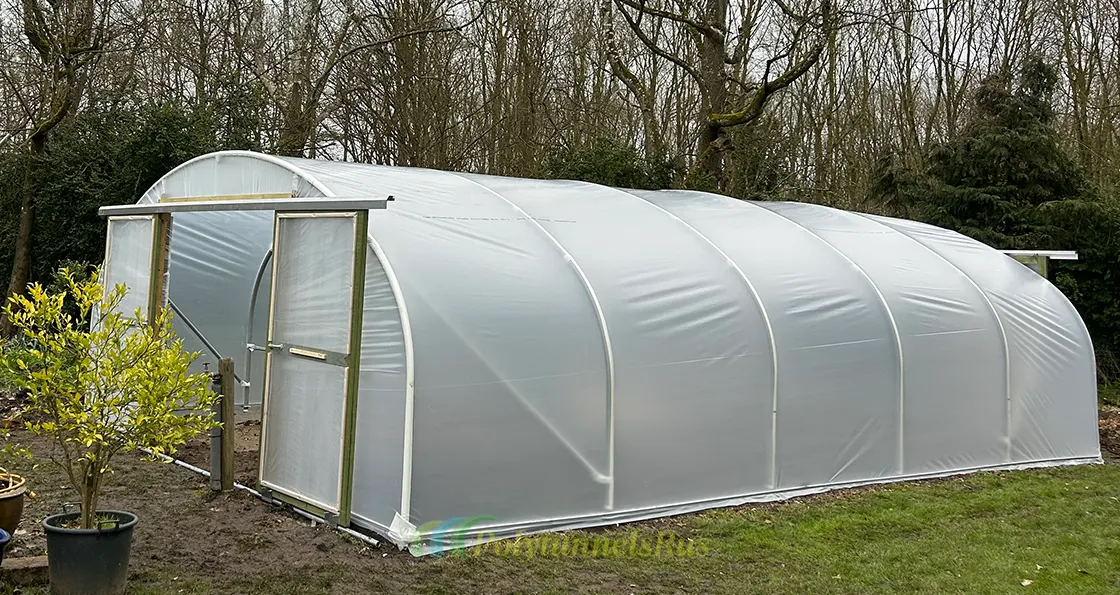
What is a single-span tunnel?
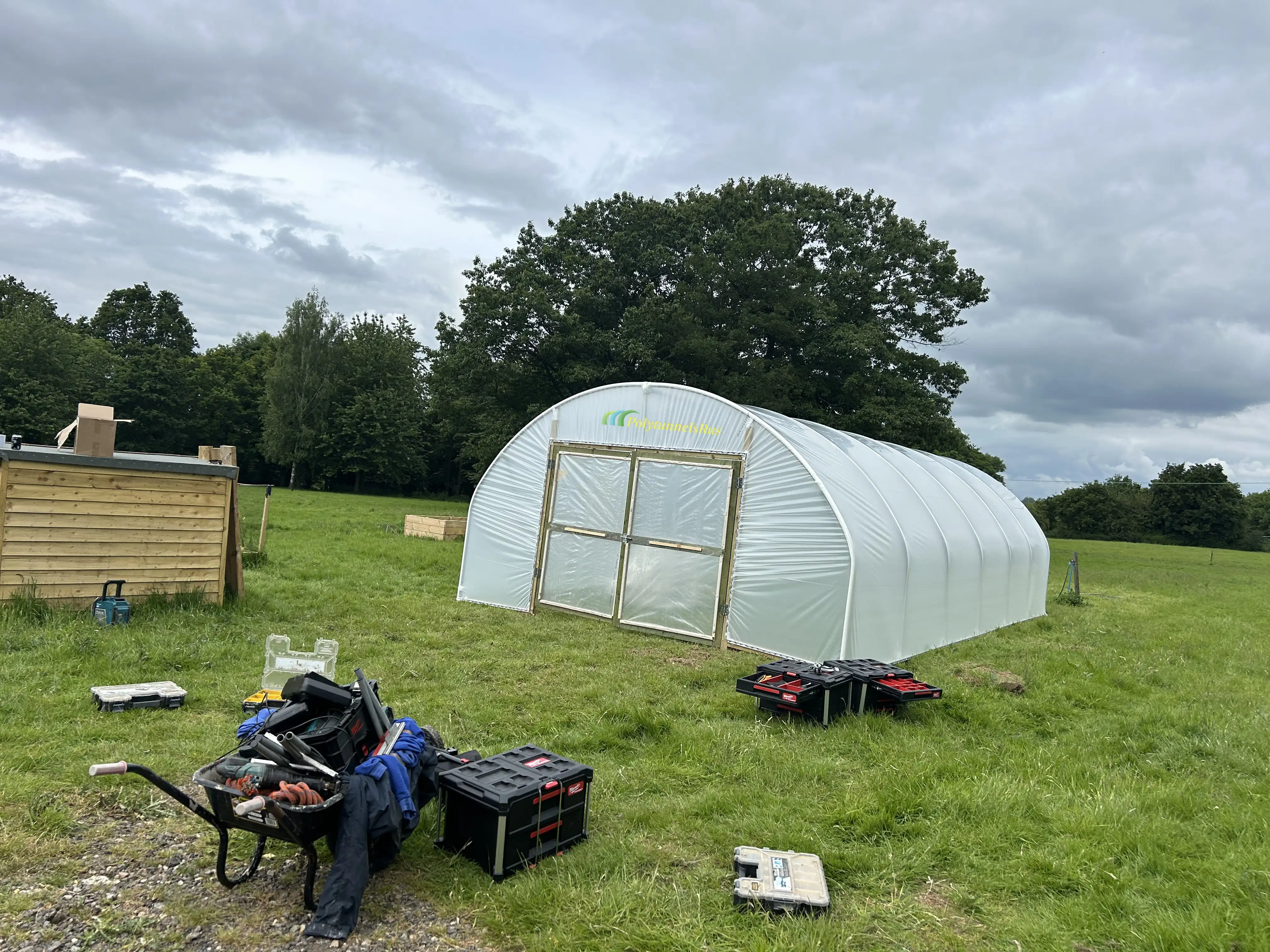
A single span is one standalone tunnel with its own frame, cover, doors and ventilation. It can be long, wide and heavy-duty, but it remains one separate structure.
That suits plenty of commercial polytunnels. You can keep crops apart, spread tunnels around a yard, manage each bay differently and add another structure later. Cover replacement is also simpler because each tunnel stands on its own.
The snag is movement. Staff may have to go outside between tunnels. Trolleys and small machinery can lose time crossing farm areas. You also need gaps between separate commercial polytunnels, and those gaps can eat into the land you thought you were gaining.
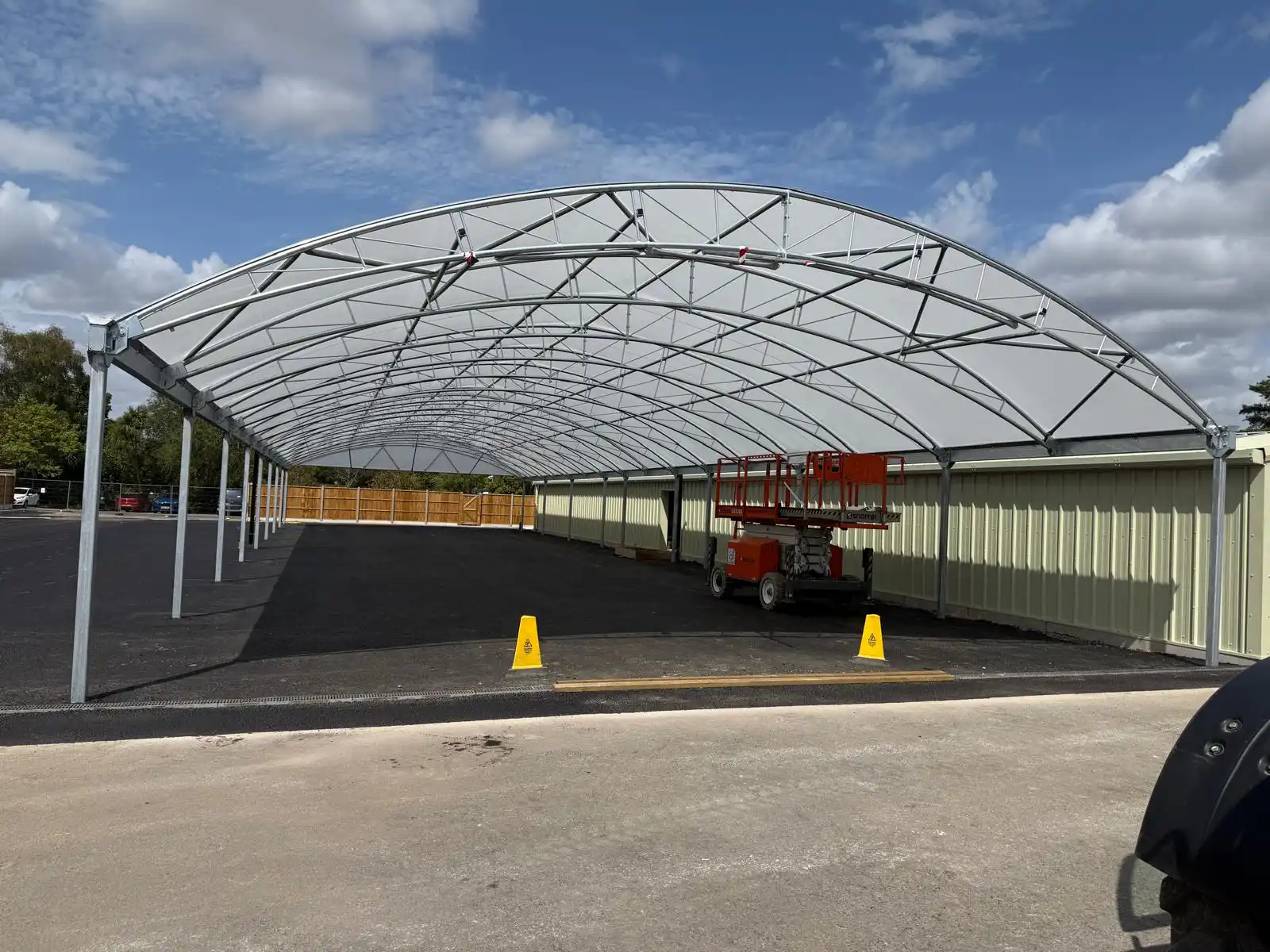
What is a multi-span setup?
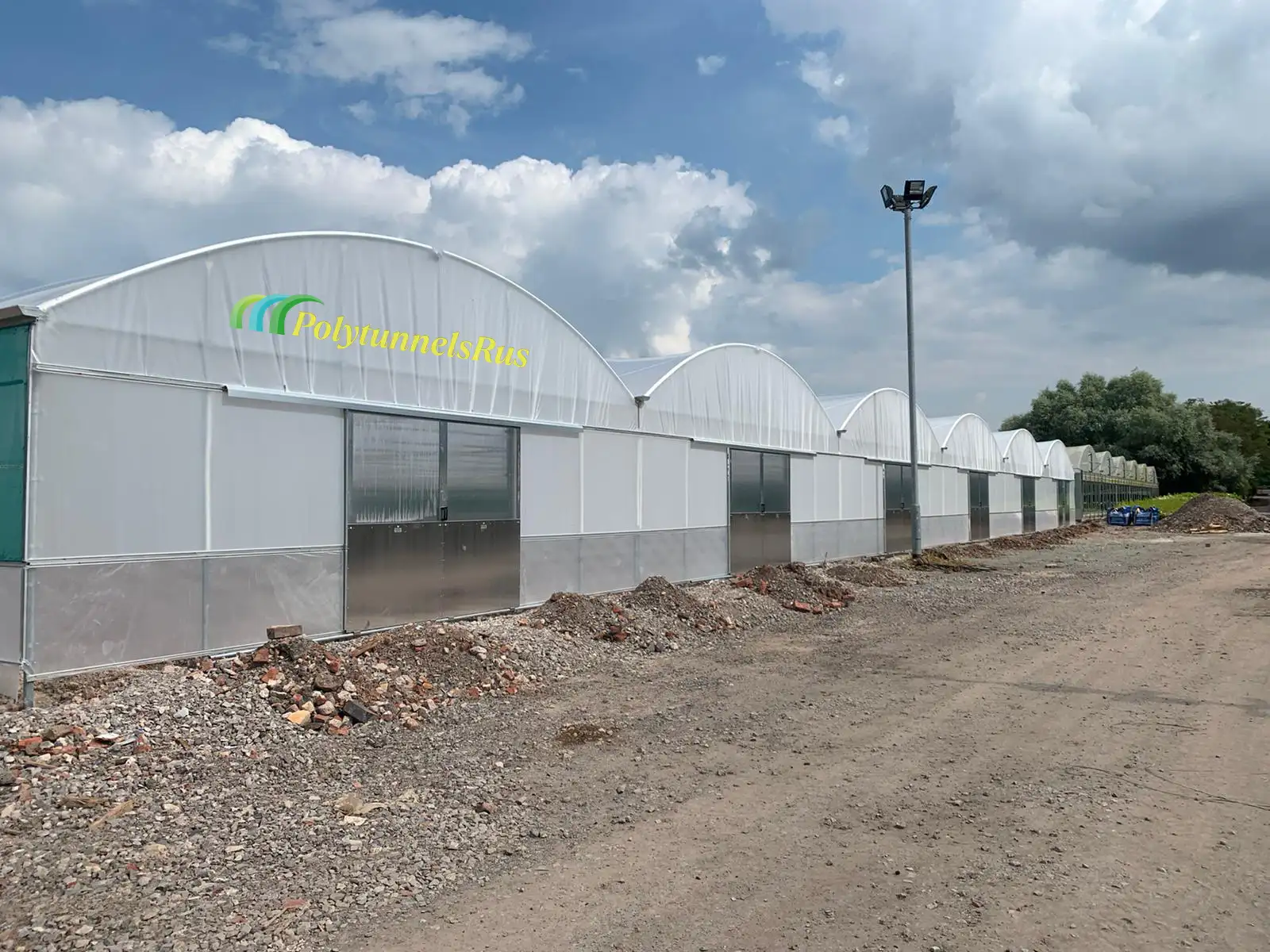
A multi-span polytunnel links two or more spans together, usually with shared internal gutters or valley sections between bays. Instead of several separate tunnels, you get one larger covered area.
That joined space is the main benefit. A multi-span polytunnel lets people, crops, stock and equipment move through the building without stepping outside. Irrigation, benches, doors and access routes can be planned as one working system.
On busy commercial polytunnels, that matters. Saving a few minutes on watering, picking, loading, or moving stock may not sound much on paper. Do it every day, in poor weather, with paid labour on site, and the layout starts to matter.
Is a multi-span much more expensive?
Usually, yes. A multi-span polytunnel costs more than a single span because there is more steel, more cover, more fixing work, more ground preparation and more design time. Larger commercial polytunnels may also need more thought around drainage, ventilation and door positions.
But price alone can mislead. The better question is whether the extra spend reduces wasted movement. Several separate commercial polytunnels may look cheaper at first, yet still need more paths, more end doors and more walking time.
For a smaller site, single-span commercial polytunnels can be the sensible first investment. For a larger operation, a multi-span polytunnel can be better value because more of the footprint is usable and the daily workflow is cleaner.
Advantages of multi-span over single span
The biggest advantage is joined-up space. A multi-span polytunnel gives one covered working area, which helps with trolley routes, crop movement, staff access and stock handling. It is also useful where benches, irrigation lines or growing zones need to run across a wider block.
You may also make better use of the land. Separate commercial polytunnels need access gaps between them. A linked structure can turn some of that lost space into productive cover.
There is a practical comfort point too. If people are working inside all day, moving between bays under cover is easier than stepping in and out through wind, rain or mud.
When single span is still the better choice
Single span commercial polytunnels are not the poor relation. They are often the right choice when you want flexibility, lower upfront spend or clear separation between uses.
If crops need different conditions, if livestock need to be kept apart, or if your ground levels vary across the site, separate tunnels can be easier to manage. A multi-span polytunnel may be too much if you only need one clear bay for seasonal cover.
And there is no shame in starting smaller. Spending money on stronger covers, doors, ventilation, irrigation or good groundworks may do more for the site than stretching the budget to a multi-span polytunnel too early.
How to know what you need
Walk the site before choosing. Where will people enter? Where will vehicles turn? How will water, crops or stock move on a wet day? Where would separate tunnels create wasted steps?
Choose single span commercial polytunnels when separation, flexibility and staged growth matter most. Look at a multi-span polytunnel when the covered area needs to work as one space, especially on busier commercial sites.
The best layout is the one that saves effort every week. Get that right, and commercial polytunnels become more than extra cover. They become part of how the site runs.
Recent Blogs
-
 04 Jul 2026
 -
 04 Jul 2026
 -
 06 Aug 2025