
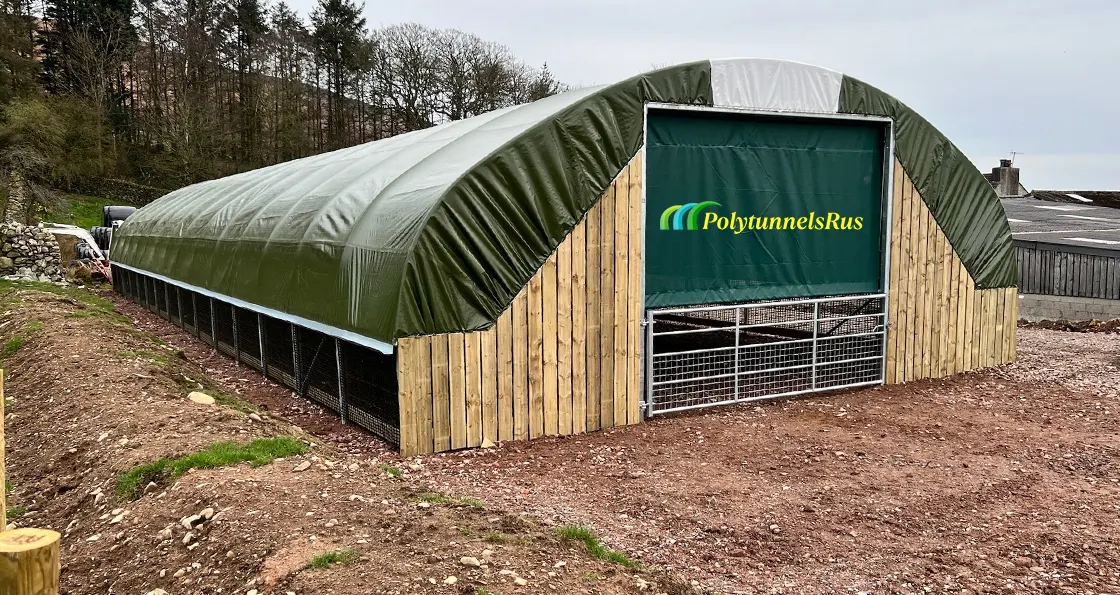
Agricultural shelters, livestock polytunnels and the choice that suits your stock
A field shelter and a tunnel can look like the same thing from the road. Both keep the weather off stock, and both protect bedding. Put animals inside them every day, and agricultural shelters and livestock polytunnels stop feeling interchangeable pretty quickly.
For most farms, the question is what the structure has to cope with. Cattle rub rails. Sheep push gates. Goats climb anything they can reach. Poultry needs dry air. All of that changes agricultural shelters, so livestock polytunnels should be chosen around the stock, not treated as one generic covered space.
What is the difference?
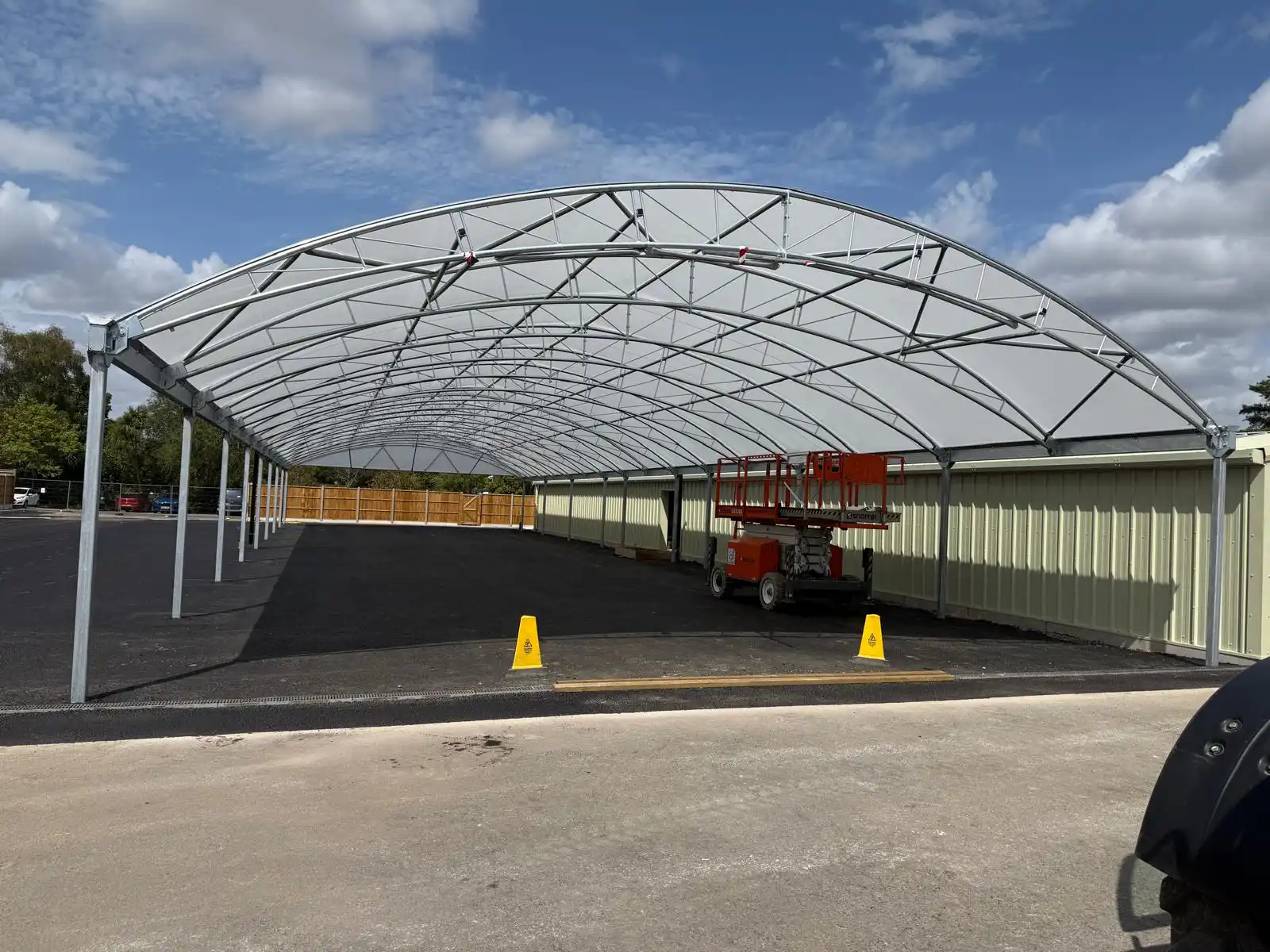
Traditional agricultural shelters are general-purpose protection. They might be steel, timber, clad, open fronted, mobile or fixed. Some are built for machinery and hay. Animal versions need rails, gates, dry lying space and air that does not hang about.
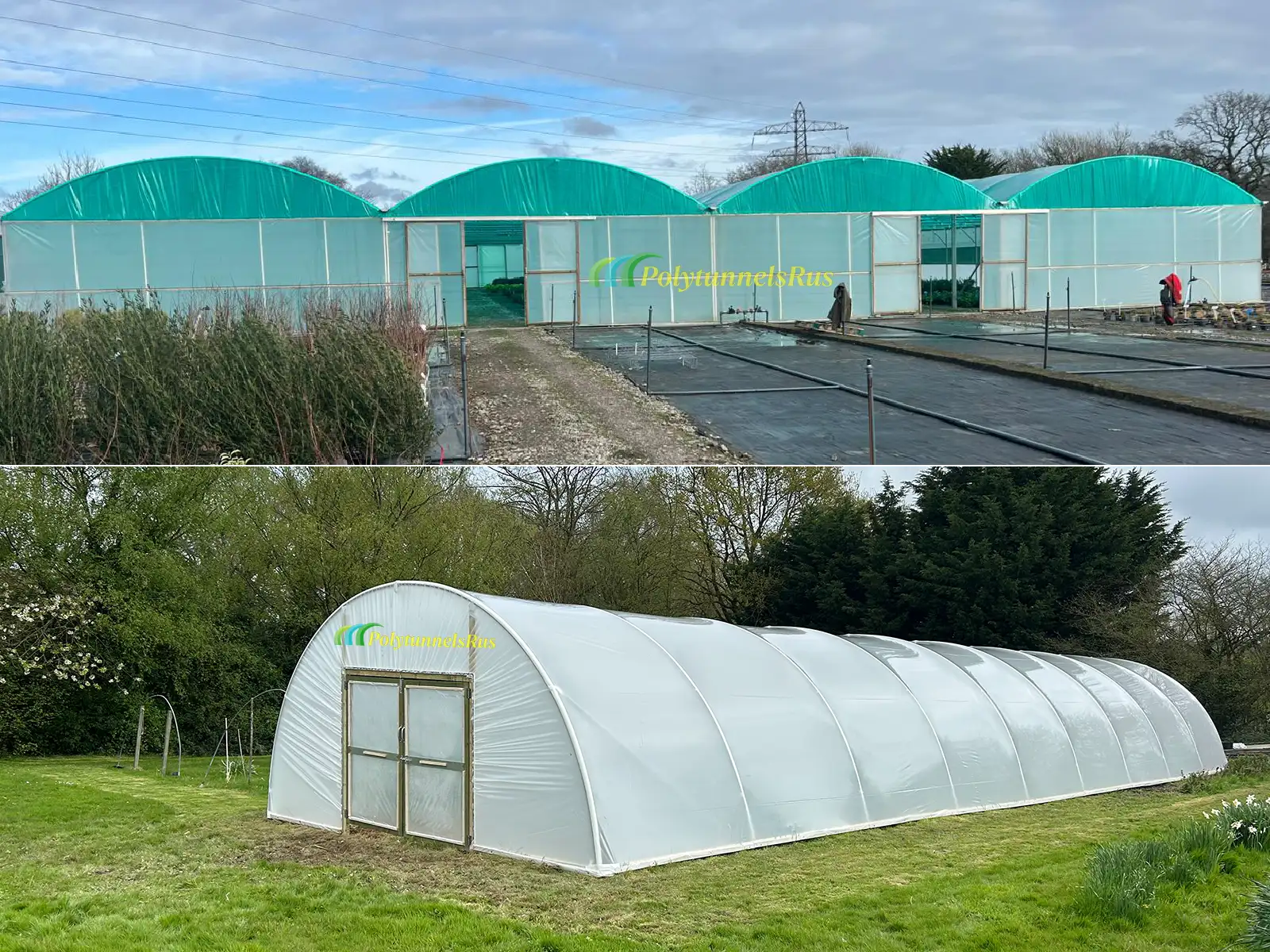
With livestock polytunnels, the tunnel frame is only the start. The cover, bays and inside layout have to work for the daily jobs. Set up well, livestock polytunnels give light, dry standing, movable penning and a warmer place to work without jumping straight to a full building. Poorly specified ones become damp tents with chewed edges. Nobody wants that.
The main difference is purpose. Agricultural shelters cover a wide area of ground. Livestock polytunnels are narrower. Frame, cover, anchoring, ventilation and access all have to suit animals, bedding and cleaning. When two quotes look miles apart, check whether they are even quoting the same job.
Will one tunnel suit every animal?
No, not sensibly. Livestock polytunnels can suit many animals, but the same design will not suit every animal. A tunnel for sheep needs different handling access to one used for calves. A poultry unit needs different ventilation from a dry, loose-housing area for goats. Pigs bring their own problems because rooting and chewing can punish weak edges.
This is where agricultural shelters get misunderstood. A structure can be weatherproof and still be wrong for the animals inside it. Cattle need headroom, strong barriers and space to move. Sheep need dry lying and simple gathering. Alpacas, horses and goats may need higher protection from rubbing and chewing. Poultry need cleanable areas and steady airflow.
So yes, the format is flexible. But flexible does not mean universal. Name the animals, give rough numbers, explain winter use, and say how you plan to muck out. Those details change agricultural shelters more than people expect.
What should be specified for livestock?
Start with ventilation. Animals put moisture into the air, even when the cover keeps rain out. Livestock polytunnels need side vents, open ends, doors, ridge ventilation or a mix that suits the site. Stale air leads to wet bedding and poorer animal health. You can smell a bad setup before opening the gate.
Then look at strength. Agricultural shelters used for livestock need more than a tidy frame and a neat cover. Stock rubs, leans, kicks and knocks. Internal rails and barriers should take that load, not the sheet. Where animals can reach the cover, add protection boards or change the pen layout.
Flooring matters as well. Some livestock polytunnels sit over compacted stone, concrete pads, hardcore, sleepers, rubber matting or deep bedding systems. The right answer depends on drainage, animal weight and cleaning method. If you use a loader, leave proper access.
Water and feed points need careful consideration. The best agricultural shelters are easy to work in at six in the morning. Water should not freeze where possible, and feed barriers should not make stock fight for space.
Site and installation points
A tunnel is only as good as its site. Livestock polytunnels should sit where water runs away, not towards bedding. Avoid hollows that collect mud. Check the prevailing wind, because a long tunnel facing the wrong way can behave like a windsock. Anchoring must match the ground, exposure and span.
Agricultural shelters also need safe vehicle access. Think about feed deliveries, bedding, muck removal and whether the door width works for your machinery. A narrow entrance might save money on the quote, then cost you time every week.
The base is not exciting, granted. It still decides how well livestock polytunnels last. Level the base. Sort drainage. Keep sharp stones and rough edges away from covers and skirts. If the site is exposed, ask about bracing, bay spacing, cover grade and replacement covers. Agricultural shelters in windy parts of the UK need to be well-engineered. A cheap structure that flexes all winter is not cheap for long.
Do you need planning permission?
Sometimes. Nobody should guess from a sales brochure. Planning rules for agricultural shelters and livestock polytunnels depend on the land, use, size, location, permanence and local planning authority. Agricultural permitted development rights can apply to some farm structures. They do not give every tunnel an automatic yes.
You might need full planning permission. You might need prior approval. In some cases, written confirmation that the work is permitted is enough. A farming use for livestock polytunnels may be viewed differently from equestrian, retail, storage or hobby use. National parks, conservation areas, listed buildings, rights of way, drainage and neighbour impact can all change the answer.
Animal welfare use also matters. If livestock polytunnels are part of a larger holding system, the council may ask about waste, access and visual impact. If the site is not classed as agricultural land, or the structure supports a change of use, get advice before ordering materials.
Before installation, speak to the local planning authority, especially for larger agricultural shelters, permanent bases or visible sites. Get drawings, dimensions and the intended use from the supplier before you ask. Five minutes on that now can spare you a miserable planning argument later.
So, which route makes sense?
Choose agricultural shelters when you need a broad category of cover, and the final design may be open fronted, clad, mobile, fixed or used for mixed farm jobs. Go for livestock polytunnels when the job is animal housing, bedding, handling and farm workflow in a tunnel-shaped structure.
On a lot of farms, livestock polytunnels can pay their way in a short space of time, because covered space goes up quickly and can change as the business changes. They are useful where light, airflow and covered working space is important. But they still need a proper specification. Tell the supplier about the animals first, then talk about size.
Good agricultural shelters make daily work easier. Good livestock polytunnels do the same, with a tunnel structure that can cover a lot of space for the money. The sensible answer fits the animals, the site, the weather and the way the farm works.
Unsure? Start with animal species, numbers, site conditions and planning position. Any supplier worth using will ask for those before pushing standard agricultural shelters or livestock polytunnels.
Recent Blogs
-
 04 Jul 2026
 -
 19 Jun 2026
 -
 06 Aug 2025