
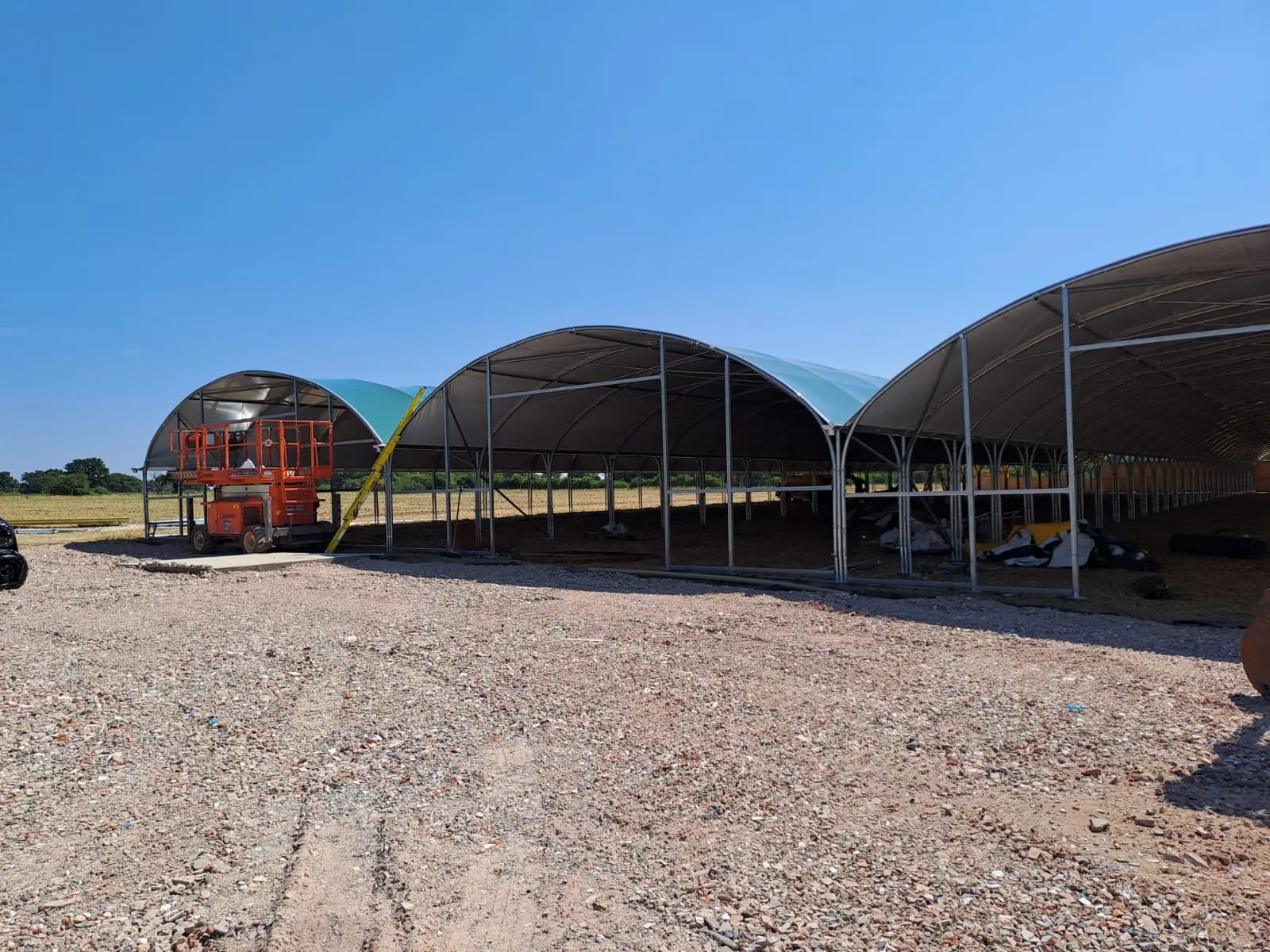
How commercial polytunnels support year-round lettuce production
Picture yourself growing salad near Chichester, with restaurant orders to fill each Friday. November’s rain has left lettuce pressed into the soil. There may not be enough saleable lettuce to fill Friday’s orders.
For that grower, commercial polytunnels offer shelter and a longer picking season. They don’t promise the same harvest every week of the year. Winter light still sets the pace, and polytunnel covers are only one part of keeping the crop saleable.
The question is whether protected beds will fill your particular supply gap without costing more than the produce earns.
What changes when salad moves under cover?
Soil-splashed lettuce needs more cleaning before your delivery. Under cover, rain doesn’t reach it, and you have somewhere to plant or pick while the outdoor beds are too wet to work.
Inside a polytunnel, the grower remains responsible for irrigation. Where the water table is high, roots may remain waterlogged even when irrigation is switched off.
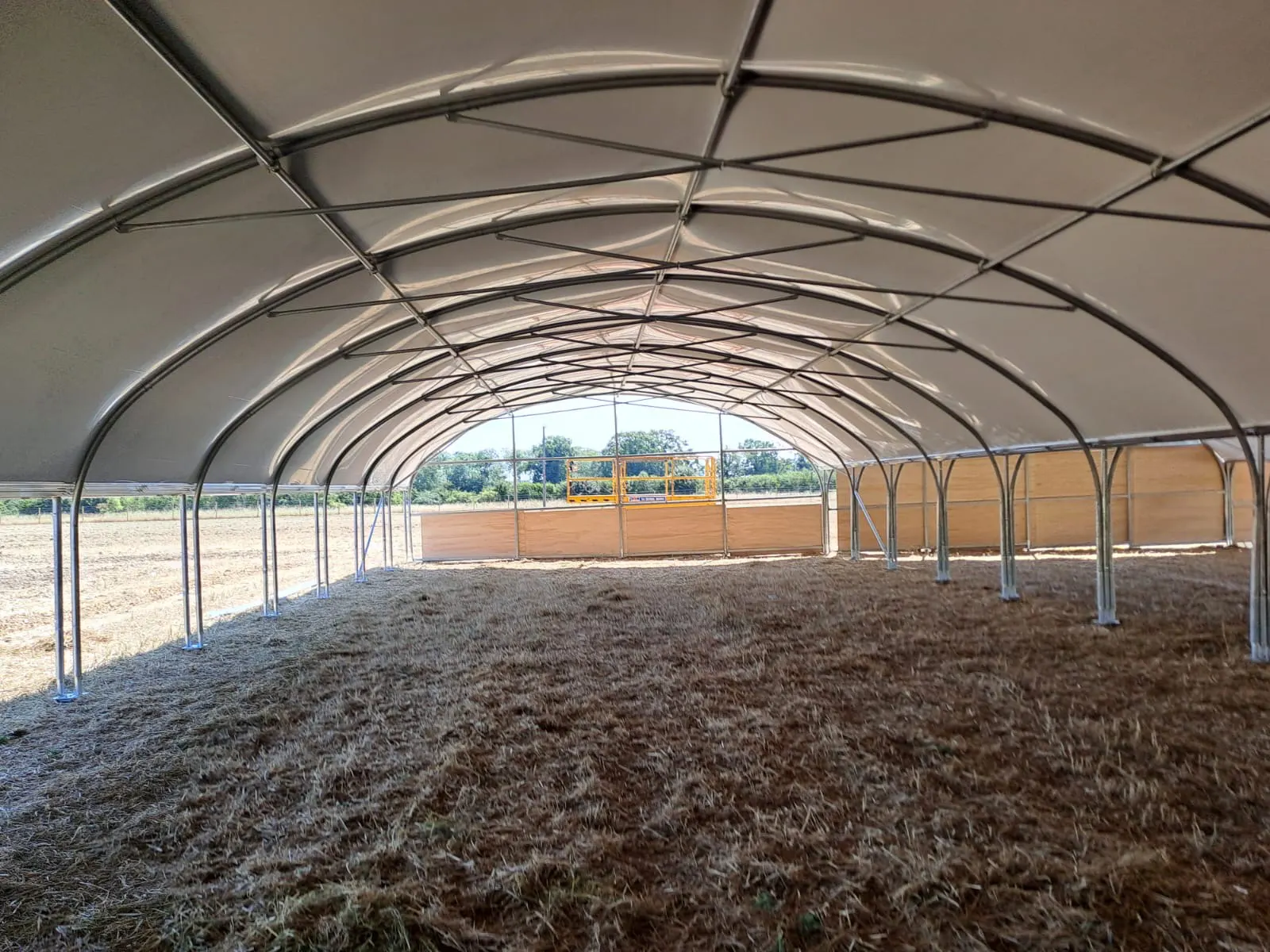
Morning arrives. The lettuce is still wet. The polytunnel covers kept the rain out, but closing every door trapped moisture inside. Irrigation and ventilation need attention within the tunnel.
How do you keep winter salad coming?
Start before winter.
It’s late summer in West Sussex, but your Friday order book already needs attention. How much salad must be established before growth slows? Empty beds in November give you little time to catch up, with the darkest weeks still ahead.
Would your buyers take lamb’s lettuce or winter purslane instead of summer lettuce? A cultivar suited to your holding earns nothing if its leaves stay in the crate.
Those established beds enter winter inside commercial polytunnels, with polytunnel covers taking the rain and wind off the leaves. A frost is another matter. Shelter guarantees neither frost protection nor the daylight growth needs.
Tunnel dimensions won’t tell you how many kilograms you’ll pick each Friday. Your first season’s sowing dates and saleable harvest weights give the next winter programme something firmer to work from.
Which covers suit salad production?
Stand beside the beds at midday. Is the film dirty, with condensation dripping repeatedly onto one patch below?
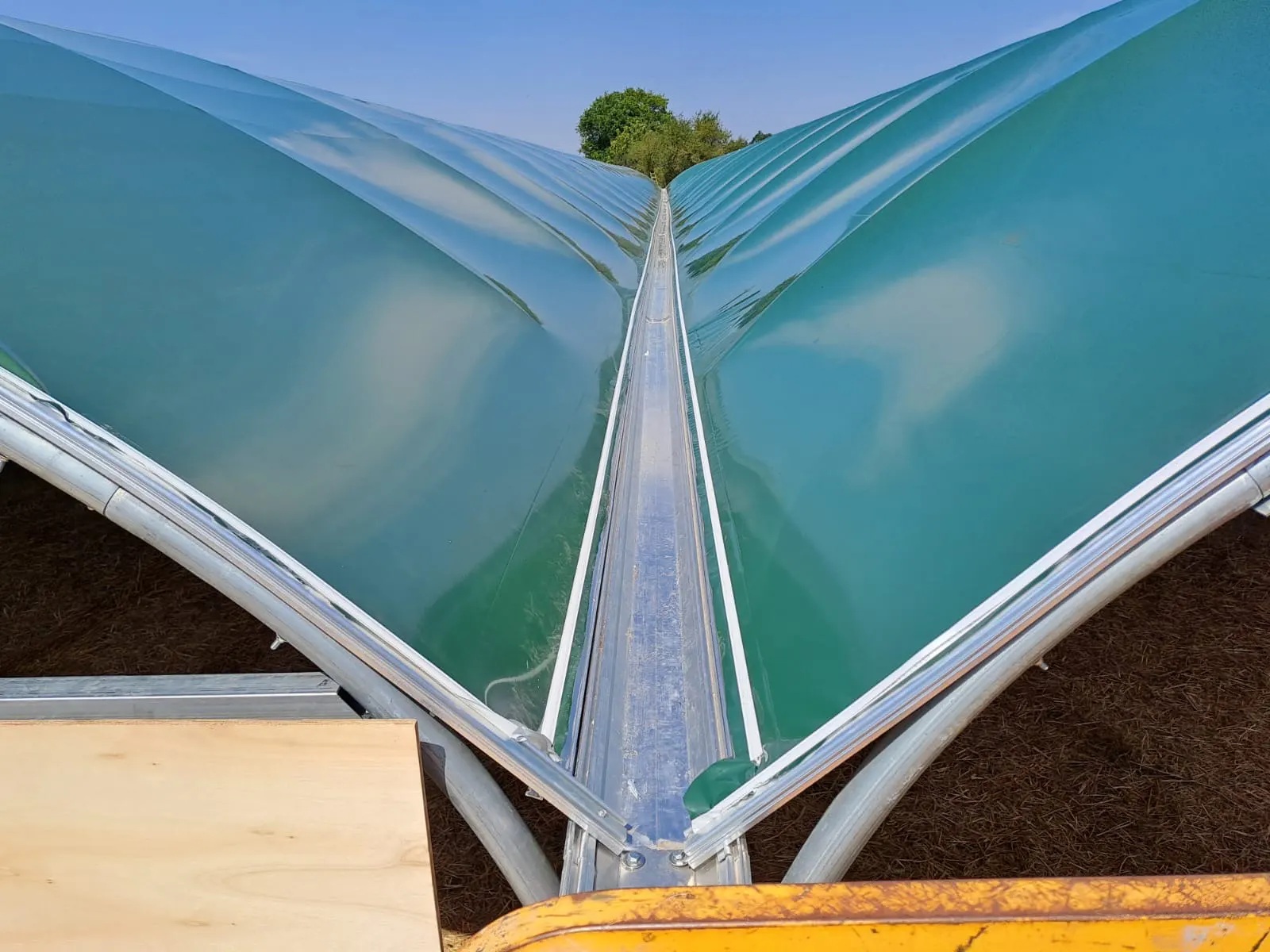
Two polytunnel covers may look similar but differ in light transmission, condensation control and warranty terms. How much light gets through? What does the warranty cover, and how does each sheet fasten? Anti-drip film alters the condensation on the sheet. It doesn’t open the doors.
December leaves need light through the film. Another layer holds warmth in and cuts incoming light. Does that exchange suit your crop?
A damaged sheet brings a repair bill, or a replacement. Before taking a brush to it, get the cleaning method from sheets supplier; reaching across the frame also means arranging suitable access equipment.
What happens when spring turns hot?
The restaurant orders haven’t stopped. You’re washing yesterday’s harvest when sunshine starts heating the tunnel, and the person who opens the doors is still out delivering.
That absence has a cost. Ventilation takes someone’s time, including trips back from deliveries. Put those hours into your labour figures.
Check moisture at root depth before watering, as a damp surface can conceal drier soil below. Check moisture at root depth before watering. If the root is already wet, further irrigation may increase waterlogging.
Heat still sends lettuce beneath polytunnel covers to seed. Your sowing calendar and crop choices need to reflect those temperatures. At packing, weigh discarded leaves separately, despite a full bed.
Should you install it yourself or pay someone?
Two quotes arrive for a commercial polytunnel, with different dimensions and specifications. Get both priced for the same structure, including ground preparation, anchoring and the water supply.
Erecting the frame yourself puts equipment hire, available helpers and hours away from cropping into the calculation. Paid installation adds a bill but takes that work out of your cropping schedule. Keeping outdoor production seasonal also remains a fair option if winter orders won’t cover the investment.
There isn’t a universal price without a size and site specification. Request itemised quotations, including VAT treatment, delivery and installation. Price replacement polytunnel covers separately, then spread that quoted cost across their expected service life when calculating production costs.
Start with your Friday order book
The kilograms missing from each winter delivery give your trial bed a target. Put its sowing dates against those orders before allocating more ground.
Will commercial polytunnels earn their cost from the extra sales? Picking hours cost money; discarded leaves earn none. Include both in your margin calculation. If your existing frame is sound, ask for a separate price for replacing its polytunnel covers.
Set out your measurements beside the harvest records and winter supply target. Speak to our team at PolytunnelsRus to discuss your exact requirements.
Recent Blogs
-
 04 Jul 2026
-
 04 Jul 2026
-
 19 Jun 2026
-
 06 Aug 2025